
 Subscribe Now
Causes of Scars
Many people ask their doctors, “What causes scars?” The answer is usually quite simple: Your body is healing from an injury, and once a scar appears, your body has just closed a wound. The body has an amazing ability to send healing cells to the site of an open wound, closing it up quickly so that bacteria does not enter the body. If the skin cells were produced exactly as they were before, the wound would take a long time to close. Therefore, the cells that close the wound tend to appear just a little different than those originally in the area.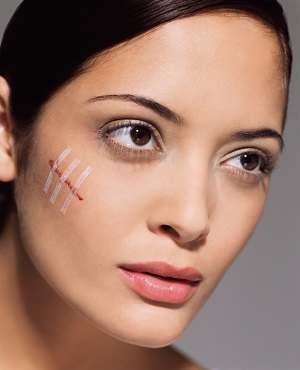
Unfortunately, many people are very self-conscious about scars. It is important to understand that when your skin’s surface sustains an injury and heals, it may never completely go back to its original appearance. The healing cells tend to make a different kind of skin that looks different in color and texture. Some scars are more noticeable than others, but the bottom line is the body is doing its job. Scars are made up of certain proteins and collagen that make up the surface of the skin. The tissue that scars are made of tends to be more sensitive to sunlight, does not generate hair growth, and is different in color than the rest of the skin.
There are many types of treatments to reduce the appearance of scars. Finding the right treatment depends on the type of injury and scar that occurred. While it is impossible to completely get rid of a scar, they do fade, sometimes dramatically. They eventually become smaller and lighter; it just takes time.
What are the Different Types of Scars?
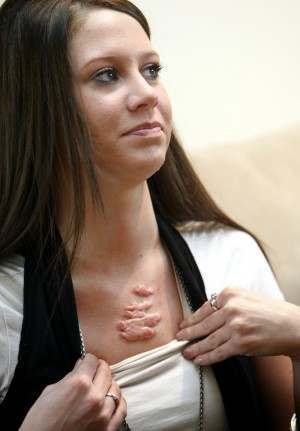
Keloid Scars – Keloid scars come from an overproduction of collagen at the site of a wound after it has healed.
This in turn causes large areas of scar tissue to grow over and outside the area of the original wound. These scars tend to be more common in people with darker skin.
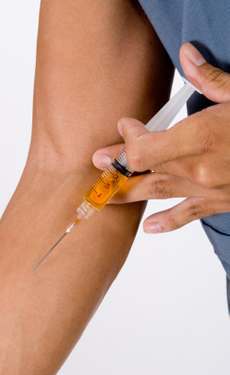
Keloid scars can be treated with steroid injections in the areas of scarring. Steroids are an anti-inflammatory that can reduce the appearance of redness and help with itching.
People who develop keloids need to understand that once they occur, they can occur again in the same area or at the sites of new injuries.
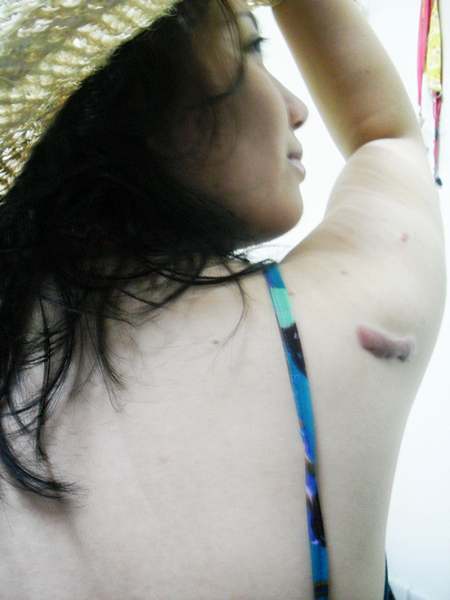 Hypertrophic Scars – Hypertrophic scars do not grow outside the borders of the wound bed and tend to heal on their own in a year’s time or more. Hypertrophic scars are tougher and redder than normal scars, and they often need steroids to heal or corrective surgery.
Contracture Scars – When there is a large loss of skin tissue, scars may form that attempt to “pull” the sides of the wound together to close it. The pulling appearance of these scars gives them the name contracture. Most of these types of scars require a cosmetic surgeon to perform a Z-plasty in order to graft new skin or form a flap to correctly close the wound.
Facial Scars – When the face receives a wound that scars it and changes its appearance, surgeons can remove the scar tissue and make a few small stitches to leave a smaller scar. Dermatologists can also perform dermabrasion that softens and leaves the skin smoother. However, facial scars do not completely go away with these treatments.

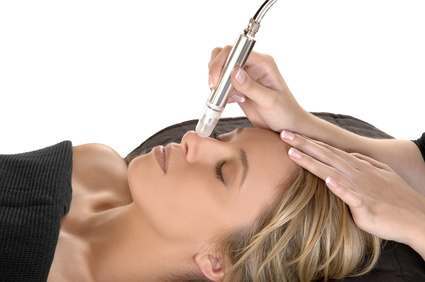
 Recovering from keloid treatments such as
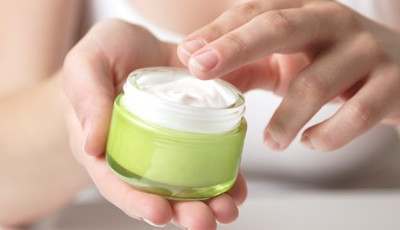 There are so many creams for scars on the market that it can get a bit confusing picking one. You need to understand the different types of scars in order to find just the right cream for your type of scar. Scar creams can fade and reduce the appearance of scars and leave you with healthier looking skin.
 Types Of Scars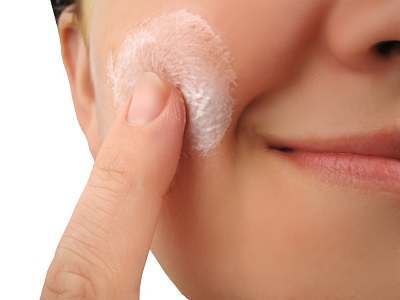

 Looking for
 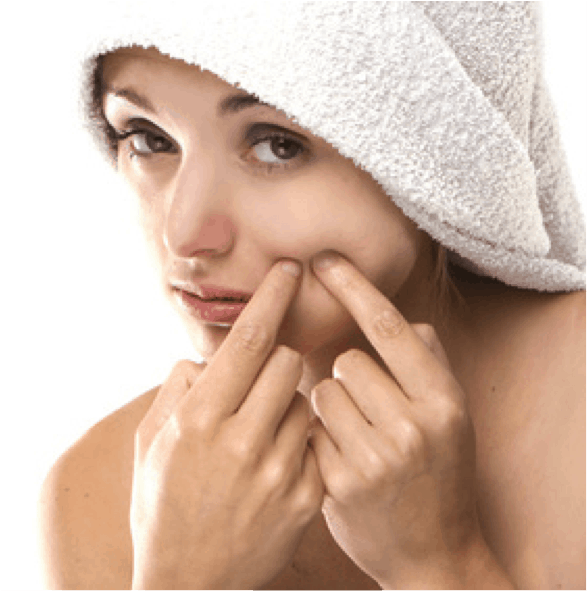 The causes of acne may lie well beneath your skin. Those who suffer from depression and emotional stress can suffer from acne even beyond their teenage years. One reason for this is the inability to regulate hormones and chemicals associated with stress, and this can cause severe outbreaks. Many times, older acne sufferers may need to seek professional counseling to help learn techniques to deal with stress and depression. This may help with self-esteem issues and also help calm down acne breakouts.
 Lemon or Lime Juice – The citric acid in lemon juice and lime juice can help remove dead skin cells and make scars appear more flat. The vitamin C in citrus fruits lightens scars and helps them blend in with your normal skin. It is also an important nutrient for skin healing. Apply a little lemon or lime juice to scarred areas and leave it on the skin for a few minutes. Wash off with a cool wet washcloth and apply a good moisturizer. Make sure you wash your hands after using citrus juices.
 Tomatoes – Tomatoes are quickly becoming a popular acne home remedy. The powerful antioxidant
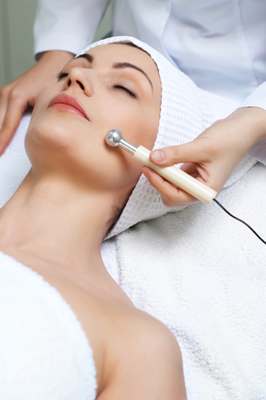
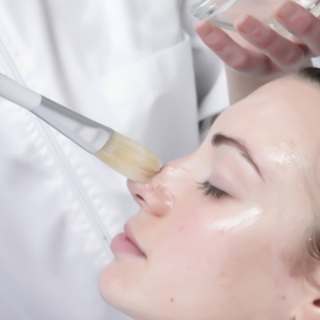 Chemical peels are split into three different categories, superficial peels, medium peels and deep peels. These methods use chemicals to remove the top layer of the affected skin. This promotes the healthy growth of beautiful new skin. For mild cases of acne scars, superficial peels can be used. These peels can be applied anywhere on the body and generally heal very quickly. For more moderate acne scars, medium peels are used. Medium peels can cause slight redness and take over a week to heal.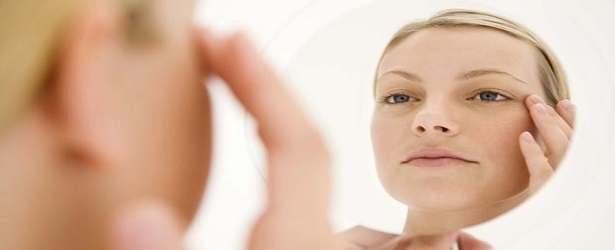

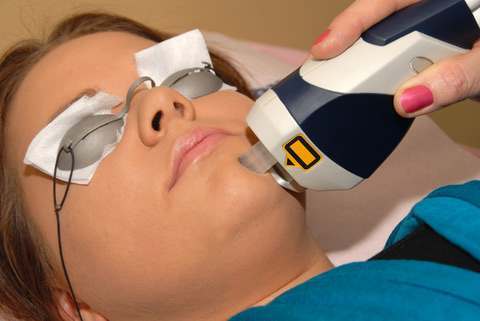 These treatments are between $1,000 and $5,000 and are very complicated. The doctor needs to find just the right laser that will be most effective on the scar tissue. After
 Scars can be unique and have many sizes and shapes depending on your skin color, health, and what type of injury you suffered. Your ethnic and genetic background also dictate how you develop scars. If you have a darker skin tone, you may be prone to
 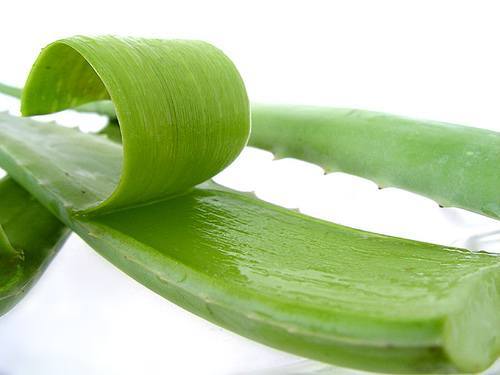 There are medical studies on certain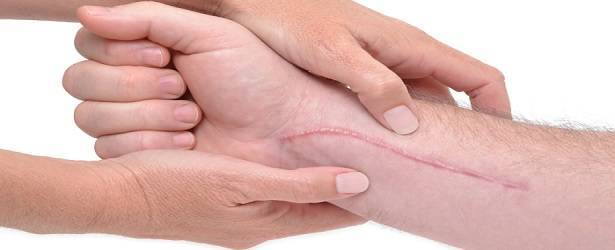
 Keloid scars and hypertrophic scars often are confused. It is important to know that there is a difference between them, because the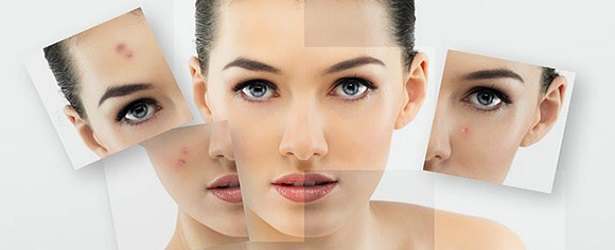
 Injections
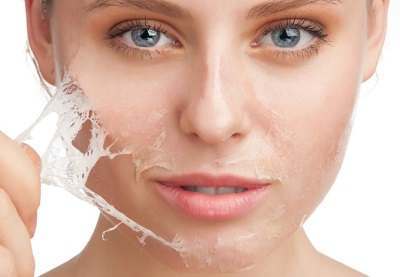 Chemical Peels – This involves using a type of acid on the skin to take off the first few layers chemically. The skin sloughs off, and new skin is generated to create a smoother appearance. There is a few days’ healing time, and the treatments cause reddened skin initially.
 There are treatments you can buy in drugstores over the counter to use at home. These contain ingredients that help moisturize, heal, and reduce the appearance of scars.